The Dress Everyone Couldn’t Stop Talking About
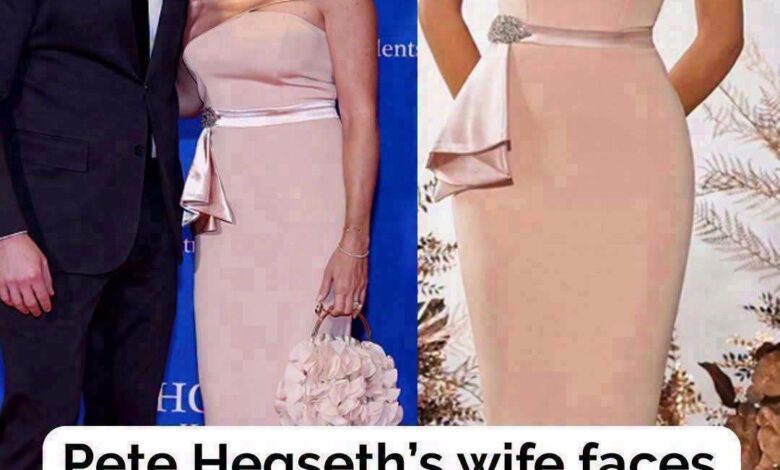
It was supposed to be an evening defined by elegance, prestige, and carefully curated fashion. As celebrities, journalists, politicians, and public figures arrived at the White House Correspondents’ Dinner, cameras flashed from every angle, capturing every entrance and every carefully selected outfit. The annual event has long been known as one of Washington’s most glamorous nights, where fashion receives almost as much attention as the speeches themselves. But this year, one particular dress quickly stole the spotlight—and not for the reasons anyone had anticipated.
At first glance, the gown appeared perfectly appropriate for the occasion. Its soft color palette, sophisticated silhouette, and minimalist design created an elegant look that fit seamlessly among the evening’s formal attire. Fashion photographers praised its understated style as the wearer confidently posed for pictures on the red carpet. For a brief moment, it seemed destined to become just another beautiful look from a night filled with designer gowns and tailored tuxedos.
Then social media users began noticing something unexpected. As photos spread across Instagram, X, TikTok, and Facebook, viewers started comparing the dress to styles they had recently seen on popular fast-fashion websites. Side-by-side images quickly appeared online, with many claiming the gown looked strikingly similar to affordable designs sold by well-known budget retailers. Within hours, what had started as admiration for the outfit transformed into a widespread online debate.
The comparisons spread rapidly, fueling discussions across countless platforms. Some people questioned whether the resemblance was purely coincidental, while others wondered if the inspiration had been more deliberate. Fashion enthusiasts examined the neckline, fabric, cut, and overall silhouette, searching for similarities between the red-carpet gown and lower-priced alternatives. Although no clear consensus emerged, the conversation itself became far bigger than the dress.
Supporters of the look argued that great style should never be judged by price alone. They pointed out that fashion has become increasingly accessible, with affordable brands often drawing inspiration from luxury designers. In their view, if a dress looks elegant and suits the occasion, its resemblance to more affordable clothing should not diminish its impact. Many praised the idea that sophisticated fashion does not always require an expensive designer label.
Others saw the situation differently. Critics argued that an event as prestigious as the White House Correspondents’ Dinner carries certain expectations regarding originality and couture fashion. They believed attendees at such high-profile gatherings should showcase distinctive designs rather than wear pieces that remind viewers of clothing available through mass-market retailers. For these critics, perception matters, and comparisons to fast-fashion brands overshadowed the elegance of the overall appearance.
As opinions continued to pour in, the discussion evolved beyond a single outfit. It became a broader conversation about the changing relationship between luxury fashion and affordable clothing. With trends spreading instantly through social media and designs often appearing in multiple versions across different price points, distinguishing exclusivity from accessibility has become increasingly difficult. Many observers noted that today’s fashion landscape allows inspiration to travel faster than ever before, blurring the lines between designer collections and everyday retail.
The incident also demonstrated how quickly online conversations can reshape public perception. A dress that initially attracted compliments soon became the focus of memes, comparisons, opinion pieces, and heated debates. Every photograph was analyzed from different angles, and every detail became part of a larger narrative that extended far beyond the original event. In the age of viral content, even the smallest fashion detail can dominate headlines within hours.
Fashion experts also pointed out that similar controversies have happened before. Throughout the years, celebrities have frequently faced comparisons between their red-carpet outfits and more affordable versions sold by mainstream retailers. Sometimes luxury brands inspire budget collections, while other times fast-fashion companies release similar styles shortly after major fashion shows. As a result, visual similarities alone do not necessarily reveal the origin or intent behind a particular design.
Ultimately, the evening became memorable not because of a speech, an award, or a headline-making announcement, but because of a single dress that sparked endless discussion. Whether people admired the look or criticized it, nearly everyone had an opinion. The conversation served as a reminder that fashion is about more than clothing—it reflects personal taste, public perception, cultural trends, and the stories people attach to what they see.
In the end, it wasn’t simply the dress that captured everyone’s attention. It was the reaction it generated, the conversations it inspired, and the questions it raised about style, value, originality, and modern fashion culture. One unexpected comparison transformed an elegant evening into one of the most talked-about fashion moments of the event, proving once again that sometimes the smallest details leave the biggest impression.